
Muse Spark began powering Meta AI app and web experiences, with broader Meta app integration planned.
The source and outside coverage frame the release around faster Instant replies and deeper reasoning-style modes.
Text-and-image understanding is central because Meta wants the assistant to work across apps, camera surfaces, and social contexts.
Unlike many Llama releases, Muse Spark was not broadly released as a downloadable open model at launch.
What changed
Meta introduced Muse Spark as a new flagship model for Meta AI, and the source article described an April 8, 2026 release that began powering the Meta AI app and website. The update is less about a single headline benchmark and more about making Meta AI behave like a faster, more capable assistant inside Meta’s own products.
Instant replies, deeper reasoning, and images
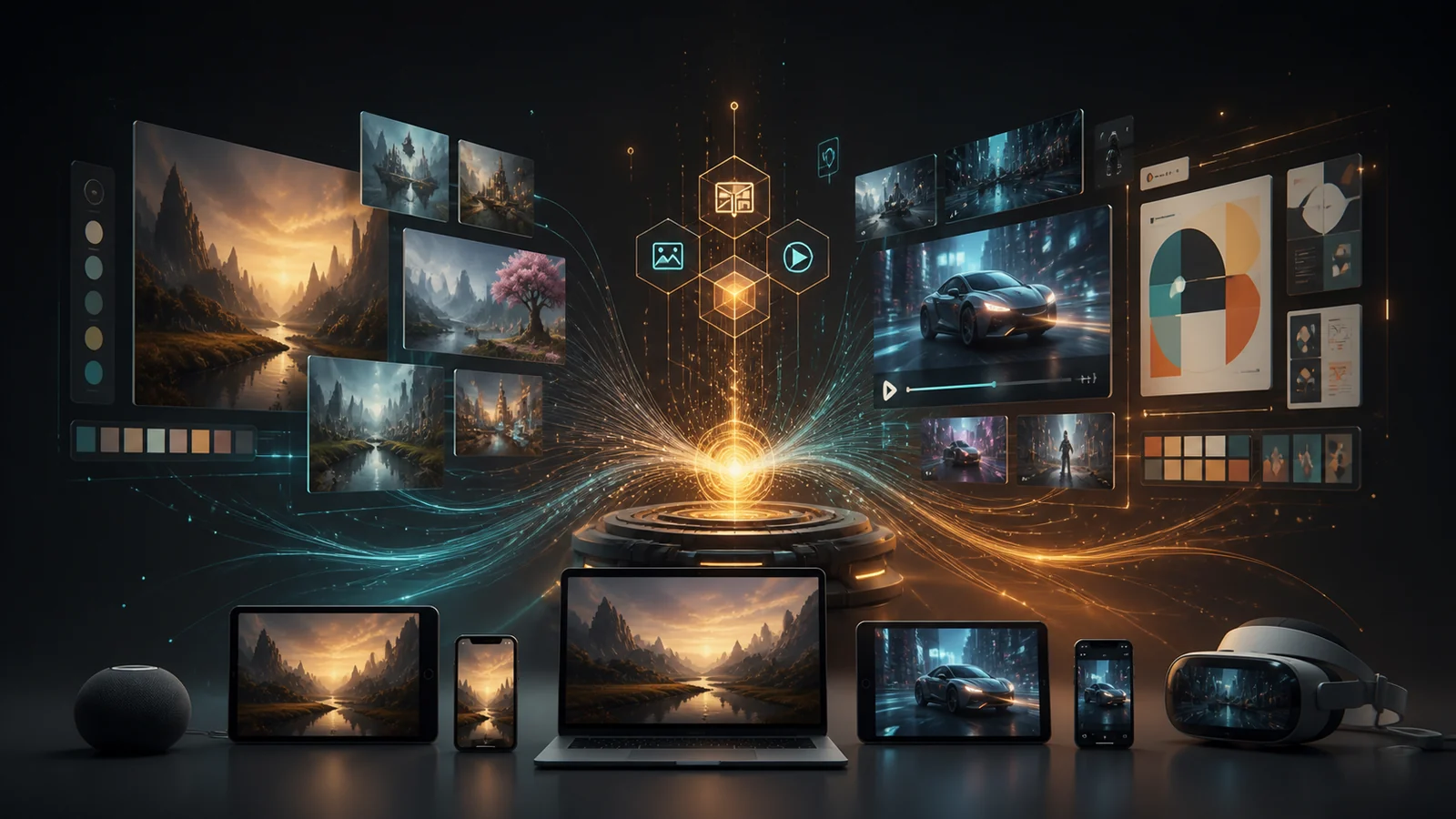
The release is framed around mode switching: quick replies for everyday prompts and more deliberate reasoning-style modes for complex requests. Outside reports also described multimodal support, including text and image input, which is especially relevant for camera-driven products and Meta’s smart-glasses roadmap.
Rollout across Meta apps
The first rollout started with Meta AI app and web experiences, with broader expansion planned across Meta services such as Facebook, Instagram, WhatsApp, Messenger, and smart glasses. That matters because Meta does not need Muse Spark to be a standalone destination; it can push the assistant into the surfaces people already use.
Not a Llama-style release
Muse Spark also marks a shift from Meta’s open Llama playbook. At launch, the model was described as powering product experiences and being available to some partners in private preview, rather than being broadly downloadable as an open model.
Why it matters
For everyday users, the practical question is whether Muse Spark makes Meta AI useful without adding noise. Better image understanding, faster responses, and deeper reasoning modes could help; privacy expectations and data handling will matter just as much as raw model capability.
Sources and references
- The Verge coverageThe Verge · secondary
- Wired coverageWired · secondary
- Android Central rollout noteAndroid Central · secondary